
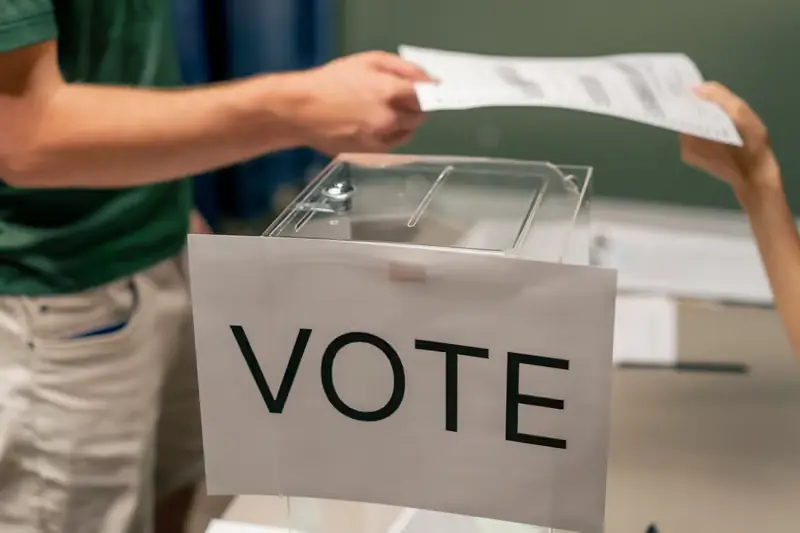
Election night results often attract immediate attention. News organizations publish projections, candidates make statements, and election authorities release preliminary vote totals. However, these early figures are not always the final legal outcome. Before results become official, authorized institutions must complete a formal process known as election certification. This process confirms that votes have been counted, records have been reviewed, and required legal procedures have been followed. The election results certified guide process helps explain why a candidate who appears to be leading during initial reporting may not yet be officially declared the winner. Certification protects the integrity of elections by creating a documented record of the final outcome. It also establishes accountability for the institutions responsible for managing elections. Although the basic purpose is similar across democratic systems, the exact procedures differ by country and jurisdiction. Understanding these differences helps voters evaluate election updates more carefully and distinguish verified outcomes from preliminary announcements.
The Legal Framework Behind Official Election Results
Election certification begins with a legal framework. Constitutions, electoral laws, regulations, and administrative rules establish how results must be reviewed and approved. These provisions identify the institutions responsible for counting, verifying, declaring, and certifying election outcomes. In some jurisdictions, local canvassing boards review results before a state-level authority gives final approval. Other systems place responsibility with national election commissions or designated returning officers. The structure depends on the country’s political system and election laws. Legal frameworks also establish deadlines. Officials may have specific periods for receiving returns, resolving discrepancies, conducting recounts, and publishing final results. These deadlines help prevent unnecessary delays while allowing enough time for proper verification. A reliable certification system needs clear authority and consistent procedures. If responsibilities overlap or legal requirements are unclear, disagreements can develop between election institutions. This can create confusion even when the underlying vote count is accurate. Voters should therefore consider which institution has legal authority to certify a particular election rather than assuming that every public announcement has the same status.
From Ballot Counting to Verified Vote Totals
Certification depends on accurate records from every stage of the voting process. After polling stations close, election officials begin completing and checking vote records. Depending on the jurisdiction, ballots may be counted at polling locations, central counting facilities, or specialized processing centers. Officials record totals for each candidate or option and prepare formal returns. These records are then transmitted to the authorities responsible for compiling results. The process must account for every legally valid ballot. Officials compare the number of ballots issued, ballots cast, and ballots counted. They also check whether required forms have been completed and whether the reported totals match supporting records. This process is known as reconciliation. It helps identify missing information, arithmetic mistakes, duplicate entries, and other inconsistencies. Preliminary results may change as outstanding ballots are processed or reporting errors are corrected. A changing total does not automatically indicate misconduct. It may simply reflect the completion of a lawful counting procedure. The important issue is whether officials can explain the change through accurate records and established rules.
Reviewing Different Types of Ballots
Different voting methods can require different verification procedures. In-person ballots may be checked and counted at polling locations, while postal or absentee ballots can involve additional eligibility and processing steps. Provisional ballots may require officials to confirm voter eligibility before including them in the final total. Some jurisdictions also recognize special voting arrangements for military personnel, overseas citizens, or voters who need assistance. Each category must follow the applicable legal requirements. Officials may need to verify signatures, registration details, ballot envelopes, or other required information. These checks must be applied consistently. A ballot should not be accepted or rejected based on political preference. Election administrators should also maintain secure custody records so that ballots can be traced through the handling process. Clear documentation supports later reviews and helps resolve disputes about whether particular votes were properly included.
Reconciling Local and Central Election Records
Accurate certification requires agreement between local and central records. Local officials prepare precinct-level results, while central authorities compile totals across larger electoral areas. These figures should match the official forms and supporting documentation. When they do not, officials must investigate the difference. The cause may be a transcription error, incomplete reporting, a missing form, or a technical problem during data transmission. Authorities should document the issue, identify the correct source record, and make any permitted correction through an established process. Changes should leave an audit trail. This makes it possible for authorized reviewers to understand what happened and why the final total differs from an earlier report. Reliable reconciliation is especially important in close contests, where a small number of votes may affect the outcome.
Audits, Recounts, and Investigations Before Certification
Audits and recounts provide additional checks before election results are finalized. Their purpose is to evaluate whether reported totals accurately reflect valid votes. The specific procedures vary by jurisdiction. Some systems require routine post-election audits, while others use risk-based methods that focus more attention on contests with narrow margins or identified concerns. A risk-limiting audit, for example, examines a sample of ballots to provide statistical evidence about whether the reported outcome is correct. Other reviews may compare paper ballots with electronic records or inspect selected administrative procedures. Audits are valuable because they can identify errors that routine reporting checks may not reveal. However, they should be understood in context. An audit does not automatically mean that an election is suspected of being fraudulent. It is a verification tool that strengthens confidence in the process. Investigations may also take place when officials receive credible reports of procedural violations, improper ballot handling, or other irregularities. These concerns should be assessed using evidence and applicable legal standards rather than assumptions or online speculation.
When a Recount Can Change the Outcome
A recount may occur automatically when a contest falls within a legally defined margin. In other jurisdictions, a candidate or another eligible party must submit a formal request and meet specific requirements. Recount rules can determine which ballots are reviewed, how disputed marks are interpreted, and who supervises the process. The method may involve another machine count, a manual review, or a combination of procedures. Recounts can confirm the original result or produce a different total. Their impact depends on the number of ballots involved and the size of the original margin. Officials must document the revised figures and explain how they affect the contest. A recount is not an informal second opinion. It is a regulated process with defined authority, procedures, and deadlines.
The Role of Election Officials and Oversight Institutions
Election certification involves several institutions and professional responsibilities. Local election administrators manage polling records, ballot handling, and initial returns. Regional or national authorities may compile results and conduct further reviews. The officials who approve certification must follow the responsibilities assigned to them by law. In some systems, independent observers, political party representatives, and accredited monitors can watch parts of the counting or verification process. Their presence can improve transparency by allowing authorized participants to observe whether procedures are followed. Courts may also become involved when disputes concern legal requirements or the conduct of election authorities. These institutions serve different purposes. Observers monitor procedures, election administrators manage operations, and courts interpret and apply the law in cases brought before them. Their roles should not be confused. Effective oversight also depends on communication. Election bodies need clear procedures for sharing records, reporting discrepancies, and responding to formal complaints. Consistent communication reduces the risk of conflicting announcements and helps voters understand the status of certification. Institutional independence and impartial decision-making are essential. Officials must apply the same standards regardless of which candidate or party may benefit from the outcome.
Legal Challenges and Disputes That Can Delay Certification
Election disputes can arise when candidates, political parties, voters, or other eligible participants believe that legal requirements have not been followed. Complaints may concern ballot eligibility, counting procedures, voter registration, campaign conduct, or the actions of election administrators. The right to challenge an election and the process for doing so depend on local law. Most legal systems establish filing deadlines, evidence requirements, and procedures for hearings or judicial review. These rules help ensure that disputes are assessed through formal channels rather than through unsupported public claims. Courts may examine whether an alleged violation occurred, whether it affected the election, and what remedy the law permits. Possible outcomes may include dismissing a complaint, ordering a review, requiring a recount, or directing officials to correct a procedural problem. Not every complaint delays certification. Some disputes can proceed without affecting the formal timetable. Others may require authorities to wait for a legal decision before completing a specific step. The challenge is to protect the right to seek legal review without allowing baseless or repetitive claims to create unnecessary uncertainty. Clear deadlines and evidence-based decisions help maintain that balance.
Transparency, Public Records, and Official Declarations
Public access to election information is an important part of certification. Election authorities should publish final results through recognized channels and make relevant records available according to applicable disclosure laws. These records may include certified vote totals, signed returns, recount reports, audit summaries, and formal declarations. Clear publication practices help voters verify the outcome without relying entirely on political statements or media coverage. Authorities should also explain the status of results using accurate terminology. Preliminary results are figures released while counting or verification continues. Projected results are assessments made by media organizations or other analysts. Certified results are those formally approved through the applicable legal process. A formal declaration may be a separate step that announces the legally recognized winner or outcome. These terms are not interchangeable. Public communication should identify which stage has been completed and which procedures remain outstanding. Election websites and public information systems can make this easier, but information must be updated consistently. When authorities provide clear explanations for changes, delays, or corrections, they reduce opportunities for confusion and misinformation.
Technology, Data Security, and Modern Certification Challenges
Technology has changed how election results are collected, transmitted, reviewed, and published. Electronic reporting systems can help election administrators compile precinct totals and identify missing information. Digital records can also support faster reconciliation and easier access to documents. However, technology introduces security and reliability challenges. Election systems must protect sensitive information, restrict unauthorized access, and maintain reliable audit trails. Strong access controls help ensure that only authorized personnel can change official records. Secure backups and contingency procedures are important if systems experience technical failures. Cybersecurity planning should cover both the technology itself and the people who operate it. Human error, weak passwords, poor training, and unclear responsibilities can create risks even when systems are technically sound. Misinformation adds another challenge. Incorrect screenshots, edited documents, and premature claims can spread quickly through social media. Election authorities should respond with verifiable information and clear explanations. Technology can improve the speed and accessibility of reporting, but it cannot replace legal review, transparent procedures, or independent oversight. The final outcome must still be established through the process required by law.
What Happens After Election Results Are Certified?
Certification is a major milestone, but the administrative process may continue afterward. Depending on the jurisdiction, officials may publish a final declaration, issue certificates of election, notify relevant institutions, or begin procedures for transferring authority. Some systems require additional steps before elected representatives formally assume their positions. These may include taking an oath, completing administrative requirements, or meeting constitutional deadlines. Certification also creates an official record that can be preserved for future reference. Ballots, counting forms, electronic records, and audit documentation may need to be retained for a legally specified period. These records can support later investigations, court proceedings, historical research, and improvements to election administration. It is also important to recognize that certification does not necessarily eliminate every possible legal remedy. Some jurisdictions permit specific challenges or reviews after certification, subject to strict deadlines and legal conditions. The practical meaning of certification therefore depends on the relevant electoral system. It confirms that the required certification process has been completed, while any remaining legal procedures continue under the applicable rules.
Conclusion
Election certification is a structured legal and administrative process. It brings together accurate counting, ballot verification, record reconciliation, audits, recounts, institutional oversight, and public reporting. Each stage helps establish whether the reported outcome meets the requirements of election law. The process can differ significantly between jurisdictions, so voters should identify the authority responsible for certifying a particular contest. They should also distinguish preliminary totals and media projections from formally approved results. Transparency, reliable records, secure technology, and impartial oversight all contribute to public confidence. Understanding the election results certified guide process allows voters to assess election updates more carefully and recognize why official declarations may take time. Ultimately, certification is not simply an announcement that a candidate has won. It is the formal confirmation that the election outcome has been established through the procedures required by law.