
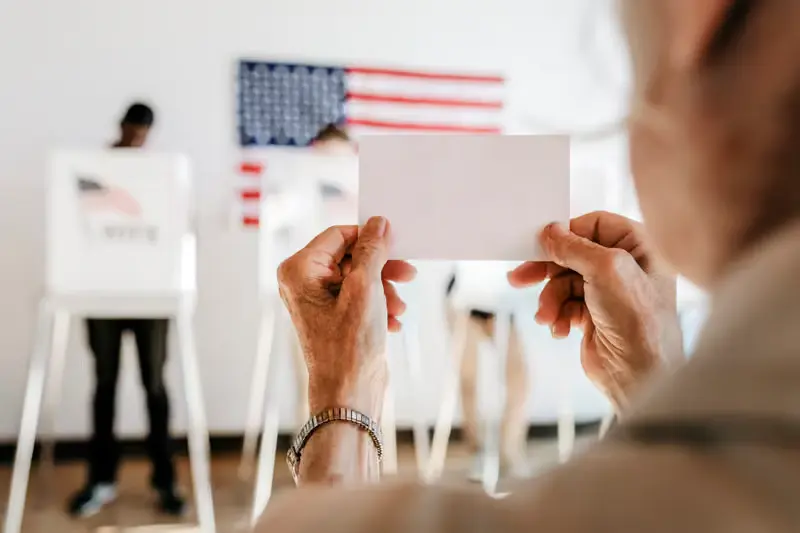
Election results represent the collective choices of voters. They determine political leadership, influence public policy, and shape the direction of government. However, producing reliable results involves much more than counting ballots. Electoral systems determine how votes translate into political representation. Voter turnout shows the level of public participation. Tabulation procedures establish the numerical outcome, while verification and certification confirm that the process followed the law. Each stage contributes to the credibility of an election. Understanding these stages helps citizens, journalists, political organizations, and public institutions interpret election updates accurately. It also explains why preliminary figures should not be confused with official outcomes. A transparent process must protect voter choices while allowing the public to understand how final results are established.
Understanding Different Electoral Systems and Their Impact on Results
An electoral system provides the rules for converting votes into political representation. These rules influence how candidates compete, how parties organize campaigns, and how voters evaluate their choices. The same distribution of voter preferences can produce different political outcomes under different systems. This is why election results should always be interpreted within the context of the electoral framework.
In a first-past-the-post system, the candidate receiving the most votes in a constituency wins. The winner does not necessarily need more than half of all votes. This approach is relatively straightforward and often produces a clear local representative. However, it can create a difference between a party’s national vote share and its share of legislative seats. Smaller parties may receive considerable support across the country but win few constituencies.
Proportional representation uses a different approach. Political parties receive seats according to their share of the vote, subject to the rules and thresholds of the system. This can provide smaller political groups with greater representation. It may also encourage coalition governments when no party secures a majority.
Ranked-choice voting allows voters to list candidates in order of preference. If no candidate reaches the required threshold, the lowest-performing candidate may be eliminated and votes transferred according to the next available preferences. This process continues until a candidate meets the winning requirement. Mixed electoral systems combine different methods, such as constituency representatives and proportional party seats. They aim to balance local representation with broader political fairness.
Understanding these differences is essential when comparing election results. A candidate’s victory margin, a party’s national vote share, and its final number of seats measure different aspects of electoral performance. Analysts should avoid treating these figures as interchangeable.
Voter Turnout: Measuring Participation in Democratic Elections
Voter turnout measures the proportion of eligible or registered voters who participate in an election. The precise calculation depends on the data and legal definitions used by the election authority. Some jurisdictions calculate turnout using registered voters, while others compare ballots cast with the estimated eligible population.
Turnout provides useful information about public engagement. High participation may indicate strong interest in political competition, confidence in the voting process, or effective mobilization. Lower participation can reflect dissatisfaction, limited access, weak campaign engagement, or practical barriers. However, turnout alone cannot explain why people voted or which political preferences influenced the outcome.
Several factors shape participation. Age, education, employment conditions, political awareness, and access to reliable information can influence voting decisions. Registration requirements and identification rules may also affect whether eligible citizens can participate. Long travel distances, limited polling hours, inaccessible facilities, and inadequate public transportation can create additional obstacles.
Political campaigns influence turnout through communication and mobilization. Parties may use local events, public meetings, community networks, and digital platforms to encourage participation. Their effectiveness depends on whether messages reach different voter groups and address issues that matter to them.
Election administrators can improve participation by providing clear instructions, accessible polling facilities, accurate voter information, and sufficient staffing. They should also communicate changes to polling arrangements early. These practical measures reduce confusion and help voters participate without unnecessary difficulty.
From Ballot Collection to Official Vote Tabulation
Vote tabulation begins after voting closes, although procedures vary by jurisdiction and voting method. Election officials must secure ballots, voting equipment, and relevant records before counting begins. The process usually involves several administrative stages designed to maintain an accurate record of every vote.
At polling locations, officials reconcile voting materials. They compare the number of ballots issued, returned, unused, and spoiled. This helps identify discrepancies before results are submitted. Ballots and records are then secured and transferred according to established procedures. Depending on the election system, counting may take place locally or at designated centralized facilities.
Preliminary totals are compiled and transmitted to the relevant election authority. These figures may be released in stages as different polling locations complete their counts. Some ballots may take longer to process because they require additional verification. Mail-in ballots, provisional ballots, and ballots with unclear markings may follow separate procedures.
The public should understand that a delay does not automatically indicate a problem. Election officials may need additional time to complete legally required checks. Accuracy and procedural compliance are more important than announcing a complete result as quickly as possible.
Methods Used to Count and Verify Votes
Manual counting involves trained officials examining physical ballots and recording voter selections. It can provide a direct method of reviewing marks, but it requires careful organization and consistent interpretation. Clear instructions and independent observers can reduce the risk of human error.
Optical scanning systems read marked ballots and record selections electronically. These systems can process large volumes of ballots efficiently. However, they require reliable equipment, secure software, testing, and procedures for reviewing ambiguous marks. Electronic tabulation should be supported by appropriate verification measures.
Reconciliation is another important safeguard. Officials compare voting records with the number of ballots received and processed. They also investigate differences between electronic totals and physical records when applicable. These checks help establish whether reported figures accurately reflect the ballots cast.
Election Results Certification: The Process Behind Official Outcomes
Election results certification is the formal process through which authorized election officials confirm that reported results have completed the required administrative and legal checks. It distinguishes official outcomes from preliminary totals, media projections, and unofficial announcements.
Certification procedures differ between countries and even between regions within the same country. In some systems, local authorities review polling-station returns before submitting consolidated results to a regional or national institution. In others, independent election commissions supervise the process. The applicable election law determines which officials have authority and what steps they must complete.
Before certification, authorities may review counting records, reconcile ballot totals, investigate discrepancies, and complete required audits. They may also consider valid recount requests or legal challenges. Once the necessary procedures are completed, the authorized body formally confirms the results and publishes the relevant documentation.
Certification is important because it establishes an official electoral record. It may trigger further administrative steps, such as confirming elected representatives or beginning the process of transferring public responsibilities. It also provides a formal reference for courts, political institutions, journalists, and citizens.
The process should follow clear deadlines and documented procedures. Election authorities need sufficient time to complete verification, but unnecessary delays can create uncertainty. A well-designed system balances administrative accuracy with predictable timelines. Public communication should explain what remains outstanding and which authority is responsible for the next step.
Key Checks Before Results Are Certified
Authorities generally examine several categories of information before confirming final results. They compare polling-station records with submitted totals and investigate unexplained differences. They may review ballot accounting, voting equipment records, and the documentation completed by election staff.
Where required, audits and recounts provide additional verification. Officials must also confirm that the relevant procedures comply with election laws. Any corrections should be documented rather than made without an official record.
Publishing certified results is equally important. Authorities should make final figures, relevant reports, and explanations of adjustments accessible to the public. Clear documentation allows independent observers to understand how the final outcome was established.
Recounts, Audits, and Disputed Election Outcomes
Recounts and audits are important safeguards, but they serve different purposes. A recount involves counting votes again to confirm or correct the numerical result. It may happen automatically when the margin between candidates falls below a legal threshold. In other cases, a candidate or political party may request one under specific conditions.
An audit examines whether election procedures and reported results meet established requirements. Depending on the jurisdiction, it may involve reviewing selected ballots, checking equipment records, comparing paper records with electronic totals, or examining administrative documentation. An audit does not always require every ballot to be counted again.
Disputed outcomes require structured legal procedures. Candidates and political organizations may submit complaints about alleged irregularities. Election authorities or courts then assess whether the evidence meets the applicable legal standard. Claims should be examined through documented processes rather than political statements or unsupported allegations.
Transparent dispute resolution protects both voters and institutions. Authorities should publish relevant decisions, explain the evidence considered, and clarify how any confirmed irregularities affect the outcome. This approach helps prevent isolated administrative problems from becoming broader questions about electoral legitimacy.
Technology and Security in Modern Election Administration
Technology has changed how election authorities register voters, manage polling operations, count ballots, and publish results. Electronic voter lists can help officials confirm registration information. Ballot scanners can accelerate tabulation, while digital reporting systems can make preliminary updates available more quickly.
These tools also create new responsibilities. Election systems must protect sensitive information, restrict unauthorized access, and maintain reliable records. Cybersecurity planning should cover network protection, software updates, access controls, equipment testing, and incident response.
Technology should never be treated as automatically accurate or secure. Equipment can malfunction, data can be entered incorrectly, and digital systems can face cyber threats. Election administrators should therefore maintain documented backup procedures and appropriate independent verification. Paper records can provide an additional reference where the electoral system supports them.
Procurement decisions also matter. Authorities should assess vendors, test equipment before elections, train staff, and establish clear maintenance responsibilities. Independent security reviews can identify weaknesses before they affect voting operations. A resilient election system combines technology with human oversight and verifiable procedures.
How Media and Public Institutions Communicate Election Outcomes
Media organizations play a major role in explaining election updates. During election night, journalists often report preliminary totals, candidate leads, turnout figures, and projections. These reports help audiences follow developments, but they do not replace official certification.
A candidate leading in early returns has not necessarily secured a confirmed victory. Outstanding ballots, regional counting patterns, and legal verification requirements may change the reported position. Responsible reporting should explain these limitations instead of presenting incomplete figures as final outcomes.
Election authorities also have a responsibility to communicate clearly. Regular updates should identify which areas have reported, how many ballots remain outstanding when that information is available, and whether any verification stages are incomplete. Consistent terminology helps prevent confusion between counted, projected, verified, and certified results.
Misinformation can spread quickly when public attention is high. Misleading screenshots, altered figures, and unsupported claims may create doubt before authorities have completed their work. Journalists and citizens should compare information with official records and reliable reporting. Public institutions should respond to significant inaccuracies with clear explanations and accessible evidence.
Challenges That Can Affect the Credibility of Election Results
Election administration involves complex logistics. Large jurisdictions may need to coordinate thousands of polling locations, transport materials securely, and train temporary staff. Limited resources can create delays or inconsistent procedures. Strong planning, clear responsibilities, and practical training help reduce these risks.
Unequal access to voting can also affect the credibility of the broader process. If certain communities face greater barriers, participation may not reflect the preferences of all eligible voters equally. Accessible facilities, clear registration information, and reasonable voting arrangements are important safeguards.
Political pressure presents another challenge. Election officials must apply the law consistently, regardless of which candidates or parties benefit from the outcome. Independent oversight, transparent documentation, and established complaint procedures help protect institutional integrity.
Authorities must also balance speed with accuracy. Releasing information quickly can improve public awareness, but premature announcements may create confusion. The better strategy is to publish verified updates regularly, explain outstanding steps, and avoid claiming certainty before the required procedures are complete.
Conclusion
Credible election results depend on a complete chain of reliable procedures. Electoral systems determine how votes translate into representation, while turnout provides insight into public participation. Careful tabulation establishes the numerical outcome, and audits, recounts, and legal reviews help address discrepancies. Election results certification then provides formal confirmation under the applicable rules. Public confidence grows when election authorities communicate clearly, protect voting records, apply procedures consistently, and make final documentation accessible. Technology can strengthen administration, but it must operate alongside independent oversight and verifiable safeguards. Ultimately, trustworthy elections are not defined only by who wins. They are defined by whether every stage of the process is fair, transparent, secure, and accountable.