
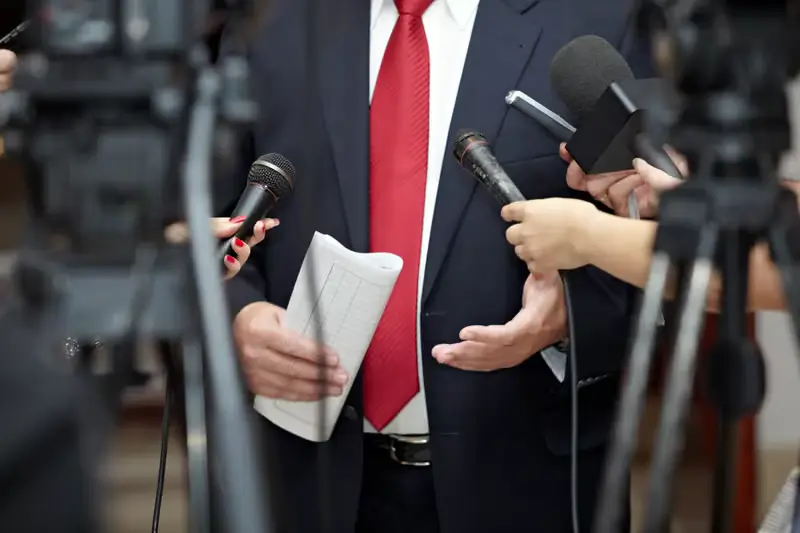
Presidential news plays an important role in shaping public understanding of government, political leadership, and national priorities. Decisions made by a president can influence economic policy, international relations, public services, national security, and the direction of government institutions. Citizens therefore depend on reliable reporting to understand what their leaders are doing and how those decisions may affect their lives. The modern media environment has made presidential coverage faster and more accessible. News organizations can publish updates within minutes of an announcement, while social media allows political statements to reach millions of people almost instantly. However, speed does not always produce understanding. Audiences need more than headlines and short clips. They need context, verified information, and explanations of the practical consequences of executive decisions. The importance of news president executive reporting lies in connecting political developments with their wider institutional and public impact. Responsible journalism examines official actions without becoming an extension of political messaging. It also helps audiences distinguish between campaign promises, government announcements, and decisions that have actually been implemented.
The Scope of Modern Presidential News Coverage
Presidential coverage includes a wide range of political and administrative developments. It may involve executive orders, legislative negotiations, cabinet appointments, diplomatic meetings, public addresses, emergency responses, and national policy announcements. Each development requires a different reporting approach. A presidential speech may communicate political priorities, while an executive order can establish specific administrative instructions. A diplomatic visit may involve international commitments that require further analysis. Journalists must understand these differences before presenting information to audiences. Accurate reporting also requires attention to institutional relationships. Presidents operate within political and legal systems that distribute authority among different branches and levels of government. Their decisions may require legislative approval, administrative implementation, judicial review, or cooperation from regional authorities. Reporting that ignores these relationships can create an inaccurate impression of presidential power. Digital media has expanded the scope of coverage. Audiences now receive updates through television, online publications, podcasts, newsletters, and social platforms. This creates opportunities for broader public engagement, but it also increases competition for attention. News organizations must make complex developments accessible without reducing them to oversimplified political narratives. Strong coverage combines timely updates with deeper explanations of the institutions and processes behind each announcement.
Reporting Executive Decisions and Government Actions
Executive decisions are among the most important subjects in presidential journalism. They can influence how government agencies operate, how public resources are distributed, and how national priorities are pursued. However, reporting an announcement is only the beginning of the process. Journalists must investigate what the decision means, which institutions are responsible for carrying it out, and whether its intended results are achieved.
Understanding Presidential Authority and Executive Responsibilities
Presidential authority depends on the constitution, laws, and political structure of each country. In some systems, presidents exercise substantial executive powers. In others, their responsibilities are shared with prime ministers, legislatures, or other constitutional institutions. Journalists must understand these arrangements to avoid overstating the president’s control over government decisions. Executive orders, appointments, administrative directives, and policy announcements also have different legal and operational implications. An executive order may instruct government departments to take particular actions, but it does not automatically replace legislation or remove existing legal restrictions. Similarly, a presidential appointment may require confirmation or follow established institutional procedures. Reporting should explain these distinctions in straightforward language. This approach gives readers a clearer understanding of what a president can accomplish independently and where cooperation or approval is necessary. It also reduces the risk of presenting political statements as completed legal or administrative changes.
Evaluating the Practical Impact of Executive Decisions
The consequences of executive action often become visible long after the original announcement. A new policy may require funding, administrative preparation, staff training, and coordination between government departments. Journalists should follow these stages rather than treating the announcement as the final outcome. They can examine implementation timelines, budget allocations, official performance data, and feedback from affected communities. Independent experts and relevant stakeholders can help explain whether a policy is practical and what obstacles may prevent its success. It is also important to distinguish between intended benefits and measurable results. A government may describe a decision as a major improvement, but reporting should examine available evidence before accepting that characterization. Follow-up coverage is especially valuable because it shows whether executive promises translate into meaningful changes.
How Media Organizations Shape Presidential Narratives
Different media organizations may report the same presidential development from different editorial perspectives. Television networks often prioritize live events, interviews, and visual explanations. Newspapers may provide detailed analysis, while digital publications focus on immediate updates and accessible summaries. Independent journalists may investigate developments that receive limited attention from larger organizations. These differences influence which details audiences notice and how they interpret political events. Editorial decisions play a significant role. The headline, opening paragraph, selected quotations, and sources included in a report can shape its overall meaning. A statement about economic policy, for example, may appear positive when presented through official projections but more complicated when examined alongside independent assessments. Responsible reporting should provide enough context for audiences to understand both perspectives. This does not mean every political claim deserves equal credibility. Journalists should assess evidence, expertise, and the reliability of each source. Balanced reporting is not simply a matter of giving opposing political groups identical space. It requires presenting verified information fairly and explaining disagreements accurately. Media organizations should also maintain clear distinctions between news reporting, editorial opinion, and political commentary. When these formats become mixed, audiences may struggle to identify factual reporting and understand the basis of a publication’s conclusions.
Political Communication and the Presidential Media Strategy
Presidents and their communication teams use several channels to explain policies, announce decisions, and respond to political developments. These channels help governments communicate with citizens, but they also create challenges for independent journalism. Official messaging is designed to present an administration’s priorities in a particular way. Reporters must examine that messaging without automatically adopting its language or assumptions.
Official Briefings, Speeches, and Public Statements
Press conferences, televised addresses, interviews, and official briefings provide important information about presidential priorities. They allow journalists to ask questions, request clarification, and examine government explanations. However, prepared statements may leave important issues unanswered. A speech may highlight achievements without discussing implementation difficulties or alternative interpretations of available evidence. Journalists should therefore compare public statements with official documents, relevant data, previous commitments, and independent assessments. Direct quotations should also be presented in context. Extracting a short sentence from a longer address can change its intended meaning. When claims involve statistics or technical subjects, reporters should identify the measurement being used and explain any relevant limitations. This makes presidential coverage more informative and reduces the risk of repeating inaccurate claims.
Managing Public Attention During Political Developments
Presidential communication teams often respond quickly to emerging controversies, national emergencies, and major policy developments. They may release statements, arrange briefings, publish social media updates, or provide selected information to journalists. These activities can help audiences receive timely explanations. However, they may also influence the news agenda by directing attention toward favorable subjects or limiting discussion of difficult questions. Journalists should remain aware of this dynamic. They can prepare follow-up questions, seek independent confirmation, and compare official statements with information from other credible sources. During emergencies, communication requires particular care. Incomplete information can create confusion, while premature conclusions may damage public trust. Reporters should clearly identify what is confirmed, what remains uncertain, and when further information is expected. Transparency about uncertainty is more responsible than presenting an incomplete account as a final explanation.
Challenges Facing Journalists Covering the Presidency
Presidential journalism involves several professional and practical challenges. Access to decision-makers may be restricted, official information may be incomplete, and political pressure can affect the reporting environment. Journalists may also face intense competition to publish breaking developments before other organizations. These conditions increase the possibility of factual errors and misleading interpretations. Verification must remain a priority even when audiences expect immediate updates. Reporters should confirm important claims through reliable documents, direct statements, multiple sources, and relevant independent experts. Anonymous sources can sometimes provide information that would otherwise remain unavailable. However, journalists should understand the source’s position, possible motivations, and direct knowledge of the subject. Confidentiality should be protected when justified, but anonymity should not become a substitute for verification. Misinformation creates another major difficulty. Edited videos, fabricated quotations, manipulated images, and misleading political claims can circulate rapidly online. Newsrooms need procedures for checking original material, publication dates, locations, and the authenticity of digital content. Corrections should be visible and timely when mistakes occur. Political pressure also requires strong editorial safeguards. News organizations should establish clear standards for sourcing, evidence, and editorial independence. Reporters need the freedom to investigate both favorable and unfavorable developments without being directed by political interests. These protections are essential to credible executive reporting.
Digital Media, Real-Time Updates, and Changing Audience Expectations
Digital platforms have transformed how presidential news reaches the public. Live broadcasts, social media posts, mobile applications, and email newsletters allow audiences to follow political developments throughout the day. This accessibility can improve public awareness, especially during important announcements or national events. However, constant updates can create information overload. Audiences may encounter repeated headlines without receiving meaningful explanations of the underlying issue. News organizations should therefore organize coverage around the needs of readers. A breaking update can provide the essential facts, while a separate analysis can explain the legal, economic, or institutional implications. Algorithms also influence which presidential stories receive attention. Highly emotional or controversial content may gain visibility even when less dramatic developments have greater long-term significance. Editors should avoid allowing engagement metrics to become the only measure of editorial value. Viral clips require additional verification because short recordings can remove important context. Journalists should seek complete footage and examine when, where, and under what circumstances a statement was made. Artificial intelligence can assist with transcription, document review, translation, and monitoring large volumes of information. Yet automated systems can produce inaccurate summaries or misinterpret political language. Human review remains necessary before publication. Clear correction policies, transparent sourcing, and responsible use of technology help maintain credibility in a fast-moving media environment.
Measuring the Public and Institutional Impact of Presidential Reporting
The value of presidential journalism should not be measured only through website traffic, television ratings, or social media engagement. These indicators show audience activity, but they do not necessarily demonstrate public understanding. Effective reporting helps people understand government decisions, evaluate political claims, and recognize the institutions responsible for public outcomes. It can also encourage meaningful discussion about policy choices and government accountability. Strong reporting examines how executive decisions affect different communities and whether implementation matches official objectives. For example, coverage of a public spending announcement should consider the intended beneficiaries, funding arrangements, administrative responsibilities, and available evidence of progress. This creates a more complete picture than simply repeating the announcement. Media organizations can evaluate their work through several editorial measures. These include factual accuracy, source diversity, clarity of explanations, correction frequency, and the quality of follow-up reporting. Audience feedback can also reveal where readers need additional context. Public trust is another important consideration. Political polarization may lead some audiences to reject reporting that challenges their existing beliefs. Newsrooms cannot control every reaction, but they can demonstrate reliability through consistent standards and transparent editorial decisions. Institutional impact also matters. Investigative reporting may reveal weaknesses in administrative systems, identify gaps between policy commitments and results, or bring overlooked public concerns into national discussion. Journalism cannot replace formal oversight institutions, but it can help citizens understand how those institutions operate and why their independence matters.
The Future of News President Executive Reporting
The future of presidential coverage will be shaped by technological development, changing audience behavior, and growing expectations for government transparency. Artificial intelligence and data journalism may help reporters examine large collections of public records, identify patterns in government spending, and track changes in executive policy. These tools can make investigative work more efficient, but they also introduce risks involving inaccurate outputs, biased analysis, and manipulated content. News organizations should establish clear standards for using automated systems. Journalists must verify important findings, protect confidential information, and explain when technology has played a significant role in producing a report. Data journalism will become especially useful when examining policy outcomes. Instead of relying entirely on official statements, reporters can compare government targets with available performance indicators and historical results. Another important development will be the demand for accessible political explanations. Citizens may need concise summaries of complex executive decisions alongside detailed investigative analysis. Newsrooms can serve both needs through layered reporting that offers essential facts first and deeper context for interested readers. Independence will remain the central requirement. As political communication becomes more sophisticated, journalists must preserve their ability to question official claims and investigate executive conduct. Organizations that combine technological awareness with strong editorial judgment will be better prepared to report complicated government developments accurately.
Conclusion
Presidential reporting is essential to an informed public because executive decisions can influence institutions, public resources, national priorities, and everyday life. Reliable coverage must go beyond announcements and political statements to examine authority, implementation, evidence, and measurable outcomes. Journalists also need to navigate editorial pressures, misinformation, restricted access, and the growing influence of digital platforms. These challenges make accuracy, transparency, and independence more important than ever. By providing context, verifying claims, and following government actions over time, news organizations can help audiences understand not only what presidents say but also what their decisions accomplish. Responsible news president executive reporting strengthens public accountability and supports meaningful engagement with government affairs.