
Politics and public policy are closely connected forces that shape how societies are governed. Politics determines who holds authority, which interests receive attention, and what goals governments pursue. Public policy translates these political choices into laws, regulations, programs, and administrative decisions. Neither can operate effectively in isolation. Political leaders may promise economic reform, better healthcare, or improved education, but those promises require practical policies and capable institutions. Likewise, policies do not emerge in a political vacuum. They reflect competing values, public expectations, institutional responsibilities, and available resources. Understanding the policy and politics connection helps explain why governments choose certain priorities and how those choices affect everyday life. It also reveals why technically sound proposals sometimes fail when political support is weak. In modern governance, successful decisions require more than electoral popularity or administrative expertise. They depend on cooperation between political leadership, public institutions, professional officials, and citizens. This relationship becomes especially important when governments face economic uncertainty, social divisions, and complex long-term challenges.
Understanding the Two Forces Behind Government Action
Politics is the process through which individuals and groups compete for influence, establish authority, and make collective decisions. It includes elections, political parties, public debate, negotiations, and relationships between government institutions. Political activity determines who can make decisions and which interests influence the direction of government. Public policy focuses on what governments actually do about public issues. It includes legislation, spending programs, regulations, public services, and strategic initiatives. For example, political debate may establish that affordable housing is a national priority. Public policy then determines how authorities might address the issue through planning regulations, financial support, construction programs, or incentives. The distinction is important because political commitments do not automatically become government action. A campaign promise may attract public support, but implementation requires legal authority, funding, administrative capacity, and institutional cooperation. The relationship also works in the opposite direction. Policy results can reshape political debate. A successful reform may strengthen public confidence in a governing party, while an ineffective program may create criticism and encourage demands for change. Political decisions influence policy, and policy outcomes influence future political decisions. This continuous interaction is the foundation of modern governance. It also explains why evaluating government performance requires examining both political intentions and practical results.
How Political Power Determines Which Policies Move Forward
Political power has a direct influence on which issues receive government attention. Leaders and political parties establish priorities based on their values, electoral commitments, public concerns, and assessments of national needs. However, governments operate with limited time, funding, and institutional capacity. They cannot address every issue simultaneously. Political leadership therefore involves choosing which problems require immediate action and which can be handled through longer-term strategies. These decisions often involve difficult trade-offs. A government may need to balance infrastructure investment against healthcare spending or economic growth against environmental protection. The selected priorities reflect political judgment as well as practical constraints.
Elections, Mandates, and Public Priorities
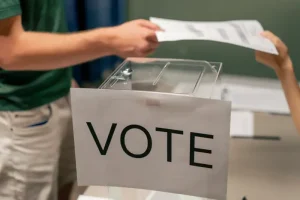
Elections provide citizens with an opportunity to influence government direction. Political parties present programs and commitments, while voters evaluate their proposals and leadership. Election results can provide a governing party with a mandate to pursue particular policies. However, an electoral victory does not mean every campaign promise can be implemented exactly as presented. Economic conditions, legislative limitations, coalition agreements, and unexpected events may change the government’s options. Public expectations can also evolve after an election. Governments should therefore treat electoral mandates as an important source of direction rather than unlimited permission to act without scrutiny. Regular consultation and transparent communication help maintain a connection between political commitments and changing public needs. Strong leadership also requires explaining when circumstances make an original proposal impractical.
Party Ideology and Competing Policy Visions
Political ideology influences how parties understand public problems and choose possible solutions. Different political groups may have contrasting views on taxation, public spending, business regulation, welfare, education, and environmental protection. One party may favor greater public investment in essential services, while another may emphasize private-sector participation and lower regulatory burdens. These differences create meaningful political choices, but ideology alone cannot guarantee effective results. Governments must consider evidence, implementation costs, and the needs of affected communities. A practical approach combines political principles with careful assessment. Leaders should explain the reasoning behind their proposals and remain open to adjustments when evidence reveals weaknesses. This helps prevent ideological commitments from becoming obstacles to effective policymaking.
The Policy Cycle as a Reflection of Political Relationships
Public policy generally develops through several connected stages. The process begins when a problem receives attention from government institutions, political parties, citizens, or organized groups. Officials and policymakers then examine possible responses. These proposals may involve research, public consultation, cost assessments, and negotiations. Once a suitable approach is selected, it moves through the relevant approval process. Depending on the political system, this may require legislative debate, executive authorization, or agreement between different levels of government. Implementation follows approval, but the process does not end there. Authorities must monitor results and evaluate whether the policy is achieving its objectives. Political relationships influence every stage. A proposal may receive public support but face opposition in the legislature. A law may pass but encounter administrative problems during implementation. Public criticism may also force officials to revise an existing program. This makes policy development a continuous process rather than a straight line. Governments should build review mechanisms into major initiatives. Regular assessments help identify problems before they become expensive or difficult to correct. They also allow policymakers to respond to new evidence and changing conditions. Treating evaluation as part of the original design creates more adaptable and responsible governance.
The Influence of Institutions and Public Administration
Political decisions are shaped by institutions that distribute authority and establish legal boundaries. Legislatures, executive authorities, courts, regulatory bodies, and public agencies each contribute to governance. Their responsibilities depend on the country’s constitutional structure. These institutions can support political decision-making, but they can also limit excessive authority and protect established procedures. Their independence and effectiveness influence the quality of public policy.
Legislatures, Executive Authorities, and Courts
Legislatures play a central role in examining proposed laws, approving public spending, and monitoring government activity. Executive authorities provide political direction and oversee the implementation of approved decisions. Courts interpret legal requirements and may review whether government actions comply with constitutional and statutory rules. These responsibilities create a system of institutional checks. Such arrangements can slow certain decisions, but they also reduce the risk of unchecked power. Effective governance depends on institutions carrying out their responsibilities without unnecessary interference. Cooperation is equally important. Governments need functioning relationships between executive and legislative authorities to develop and approve practical policies. At the same time, institutional independence must be protected so that oversight remains meaningful.
Public Officials and Administrative Capacity
Civil servants and public agencies turn political decisions into practical government activity. Their work includes managing public funds, delivering services, applying regulations, maintaining records, and coordinating programs. Administrative capacity can determine whether a policy succeeds. A government may approve a major education reform, for example, but schools still need qualified staff, appropriate facilities, funding, and effective management. Public officials also provide technical knowledge that political leaders may not possess. Professional advice helps identify implementation risks and assess realistic alternatives. Governments should protect merit-based recruitment, staff development, and professional standards. Administrative institutions need enough independence to provide honest advice while remaining accountable to legitimate political leadership. This balance helps maintain continuity when elected governments change.
Public Opinion, Interest Groups, and the Competition for Influence
Public opinion influences which problems receive political attention and how governments respond to them. Citizens communicate their concerns through elections, public consultations, demonstrations, community organizations, media discussions, and direct engagement with representatives. These activities help policymakers understand how decisions affect different groups. Businesses, labor organizations, professional associations, environmental groups, and advocacy organizations also attempt to influence public policy. They may provide research, technical expertise, financial information, or direct feedback about proposed regulations. Their participation can improve policy development by introducing knowledge that government departments may not have. However, unequal access creates a challenge. Large organizations may have more resources and stronger connections than smaller communities or disadvantaged groups. This can result in policies that reflect powerful interests more strongly than wider public needs. Governments should establish transparent consultation procedures and make participation accessible to different sections of society. They should also disclose relevant lobbying activities and explain how stakeholder feedback influenced major decisions. Public engagement should inform policymaking without allowing any single group to control it. A fair process considers the quality of arguments, supporting evidence, and wider public consequences.
When Political Goals and Effective Policy Outcomes Conflict
Political objectives and effective public policy do not always align. Electoral competition can encourage leaders to prioritize visible achievements over complex reforms that require years of investment. Short political cycles may also discourage decisions that create immediate costs but produce long-term benefits. Infrastructure maintenance, climate adaptation, education improvement, and institutional reform often require consistent support across multiple governments. Another risk involves symbolic policies. A government may introduce a highly publicized initiative to demonstrate action without providing the resources or administrative planning needed for implementation. Such decisions can create unrealistic expectations and weaken public confidence. Political pressure may also encourage officials to ignore evidence that challenges an existing commitment. Governments can reduce these risks by establishing clear objectives, realistic budgets, independent evaluations, and public progress reports. Major proposals should include implementation assessments before approval. Policymakers should also identify potential unintended consequences and establish procedures for correcting problems. Independent institutions can help assess whether programs achieve their stated purposes. The aim is not to remove politics from policymaking. Political leadership is necessary for setting priorities and making difficult choices. The goal is to ensure that political incentives do not consistently override evidence, legal standards, and public interests.
Modern Challenges Changing the Policy and Politics Connection
Modern governments operate in an environment shaped by economic uncertainty, technological developments, international competition, demographic change, and environmental pressures. These challenges often cross traditional administrative boundaries. Energy policy, for example, may involve economic growth, environmental protection, national security, and international trade. Governments must coordinate different institutions and consider consequences that may extend beyond a single electoral term. Political polarization makes this task more difficult. Strong divisions can reduce willingness to compromise and encourage the spread of misleading information. Citizens may become less willing to trust institutions when political debates focus on conflict rather than evidence. Governments and public organizations should respond through transparent communication, accessible information, and meaningful public participation. Digital technology offers additional opportunities. Online consultation systems can make public engagement easier, while administrative data can help identify service gaps and measure policy performance. Artificial intelligence may support research and public service delivery, but it also raises concerns about privacy, transparency, and automated decision-making. Authorities should establish clear safeguards before adopting these systems. Long-term strategic planning is equally important. Governments need the flexibility to respond to new circumstances without abandoning essential democratic protections. Regular policy reviews, cross-party cooperation, and stronger institutional capacity can help maintain continuity during periods of political and economic change.
Conclusion
Politics establishes government priorities, distributes authority, and creates the conditions in which public decisions are made. Policy turns those decisions into practical programs, laws, regulations, and services. Their relationship determines how effectively governments respond to public needs. Elections, party ideologies, institutional structures, public opinion, and administrative capacity all influence this process. However, political support alone cannot guarantee successful outcomes. Governments also need reliable evidence, realistic planning, professional public administration, and independent oversight. Understanding the policy and politics connection helps citizens evaluate not only what political leaders promise but also how their decisions are developed and implemented. Strong modern governance requires institutions that can manage disagreement, respond to changing conditions, and remain accountable for results. When political leadership is connected to public needs and practical evidence, policy becomes more than a political commitment. It becomes a tool for creating meaningful and sustainable improvements in society.